
 The Dragon Prince: A Chinese Beauty & the Beast Tale by Laurence Yep
 Published by HarperCollins on January 9, 1999
Genres: Classic Novel, Fairy Tale, Retelling
Pages: 32
Format: Hardcover
Source: Library
Add to Goodreads
When a poor farmer falls into the clutches of a dragon, only Seven, his youngest daughter, will save him—by marrying the beast.
Publishers Weekly praised "Yep's elegant, carefully crafted storytelling" and Mak's "skillfully and radiantly rendered illustrations" in this captivating and luminous Chinese variation of the beauty and the beast tale.
The Dragon Prince by Laurence Yep is the Chinese version of Beauty and the Beast, and is so rich in culture. Inside the book the author includes his source notes, explaining that this tale is a Southern Chinese version of the classic. He also thanks Truly Shay for helping him translate several tales for him. Immediately, I felt confident that this book would be of very high quality because of the proof of research.
This tale is written in a way that sounds natural when read aloud, and the text is very traditional and stylistically magical. The story includes cultural elements that seem true to the area in which it takes place, including the fact that it’s about a rice farmer and his daughters, a serpent for a beast (that becomes a dragon), the term bride prince is used, and the palace is located in an underwater garden under the ocean’s surface. The story takes an interesting spin, and Seven’s (the Beauty equivalent) sister attempts to drown her and take her place. The prince can tell, though, and searches to find his lost Seven. They live happily ever after.
Elegant silk robes, jade cups, and gold plates are illustrated. The illustrations themselves are reminiscent of Chinese style, with bright colors, Chinese architecture and clothing, and a stylized dragon. The prince speaks of the traditional Chinese custom of brides visiting their families after their wedding.
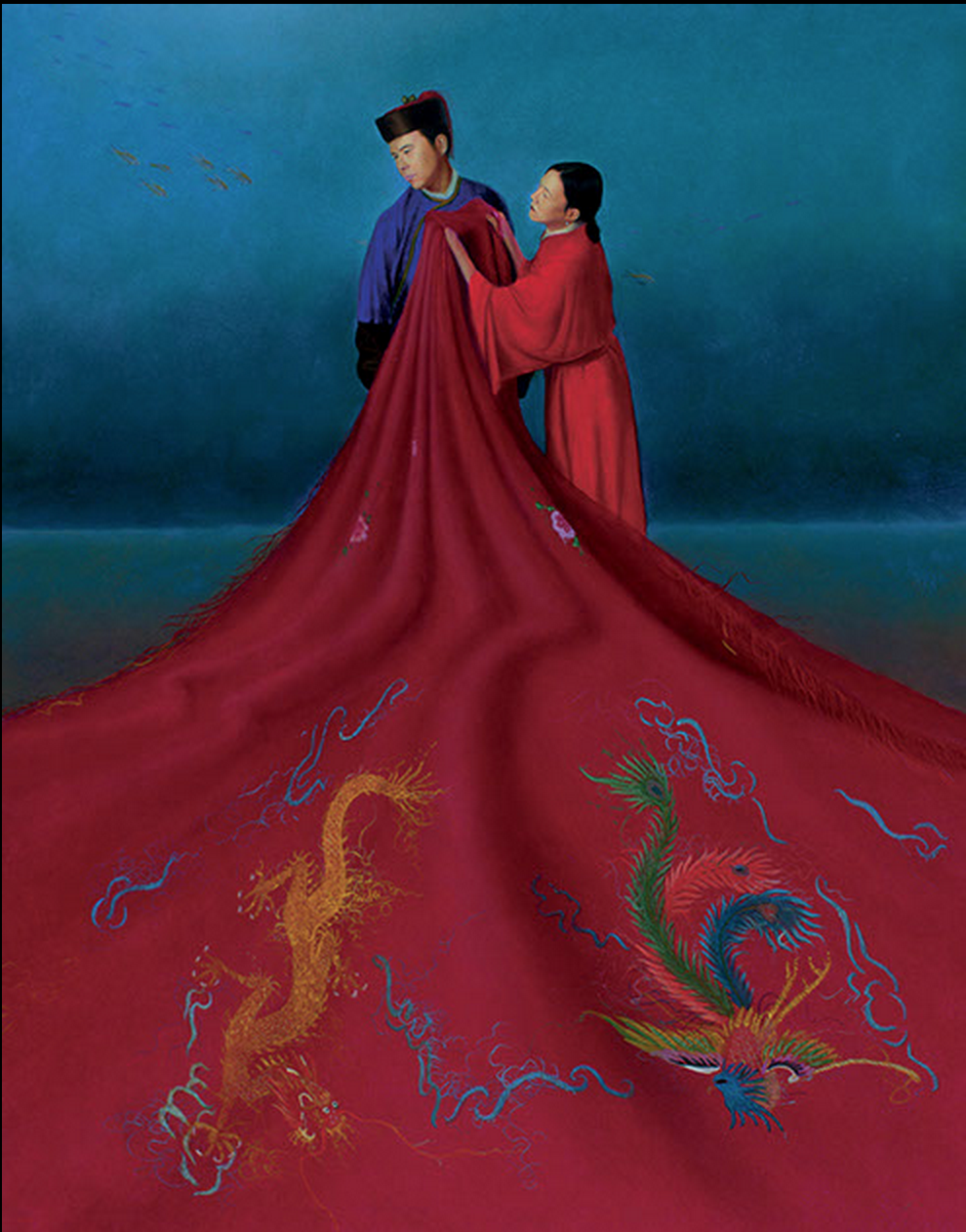
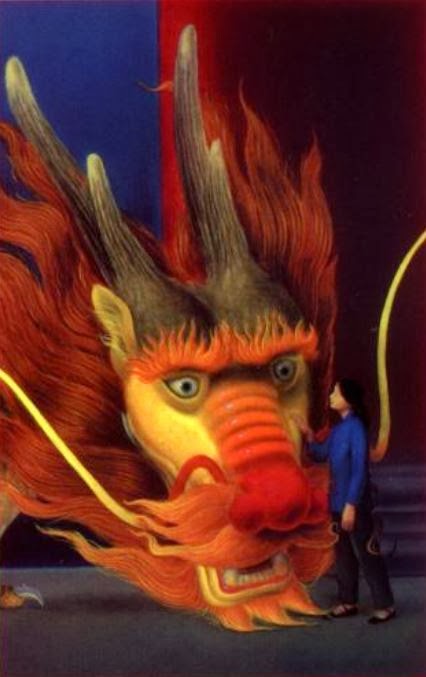
Oh my goodness, I love this version of Beauty and the Beast so much. The Chinese culture, colors, and design influences make it not only entertaining, but a rich, educational, vibrant tale that anyone would love. I highly recommend it to anyone who loves China, Beauty and the Beast, beautiful illustrations, and learning about other cultures!
 Beauty and the Beast by


 Beauty and the Beast by
 Looking past outward appearances is a very common theme throughout this book, and I find it to be a timely message given today’s expectations of what a person must look like in order to be worthwhile or successful or loved. However, it does bother me that there’s a double standard. Beauty is noted as being beautiful–the most beautiful person in her family. The beast falls in love with her, but we are led to believe it’s because she’s beautiful. We’re basically being told here that women should look past outward appearances and love unattractive men, but men can still require the highest of standards. Of course, this story was written in the 1750s. We’ve come a long way since then, but there is still this “women must look like this” stipulation today that I hope dies out with other things from the 1750’s. Like Smallpox. And dying of pneumonia.